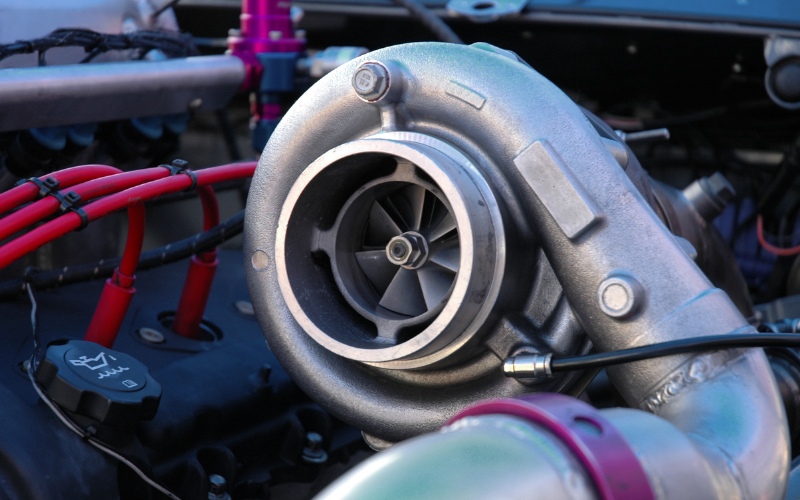
When a diesel turbocharger fails, the replacement decision can have a major impact on performance, reliability, and budget. Should you invest in a brand-new OEM unit, or choose a remanufactured turbo that promises similar results at a lower cost?
Both options have clear advantages and potential drawbacks. OEM turbochargers offer factory-original components and manufacturer-backed assurance, while remanufactured units can deliver significant savings and faster availability, if they’re rebuilt to the right standards.
In this guide, we’ll break down the pros and cons of OEM vs. remanufactured diesel turbochargers so you can make a confident, informed choice for your engine, your workload, and your bottom line.
What Is an OEM Diesel Turbocharger?
An OEM (Original Equipment Manufacturer) diesel turbocharger is a brand-new unit produced either by the engine manufacturer or by a supplier authorized to build the turbo to that manufacturer’s exact standards. It’s the same type of component that came installed on the engine when the truck or machine first rolled off the line.
Because OEM turbos are built to original factory specifications, everything from the housings and wheels to the bearings, actuator settings, and calibrations is designed to match the engine’s intended performance and emissions profile. There’s no deviation in materials, tolerances, or setup. For many owners, this consistency provides peace of mind, especially when reliability and compliance are top priorities.
OEM replacements are most commonly chosen by fleets with equipment still under warranty, operations with strict emissions requirements, or owners who simply want a like-for-like swap without evaluating alternative sourcing options. In these situations, maintaining manufacturer alignment can simplify approvals, documentation, and service planning.
However, that assurance often comes at a premium price, which is why many buyers also explore remanufactured alternatives.
What Is a Remanufactured Diesel Turbocharger?
A remanufactured diesel turbocharger is a previously used unit that has been restored to meet strict performance and reliability standards. Unlike a simple repair, remanufacturing is a comprehensive process intended to return the turbo to like-new operating condition.
It’s important to understand the difference between rebuilt and remanufactured. A rebuilt turbo is often repaired only where obvious damage or wear exists. The focus is typically on getting the unit functional again, and parts that still appear serviceable may be reused.
Remanufacturing, on the other hand, follows a far more controlled and standardized procedure. The turbo is fully disassembled, thoroughly cleaned, and carefully inspected. Critical wear components, such as bearings, seals, piston rings, and thrust parts, are replaced with new ones, and any damaged hard parts are swapped out to ensure the assembly meets precise tolerances.
After reassembly, the turbo undergoes high-speed balancing and functional testing to verify proper boost response, efficiency, and durability. Reputable facilities document these steps to confirm the unit performs comparably to an OEM replacement.
When done correctly, remanufacturing can deliver OEM-level reliability at a lower cost, making it an attractive option for many diesel owners.
Pros of OEM Turbochargers
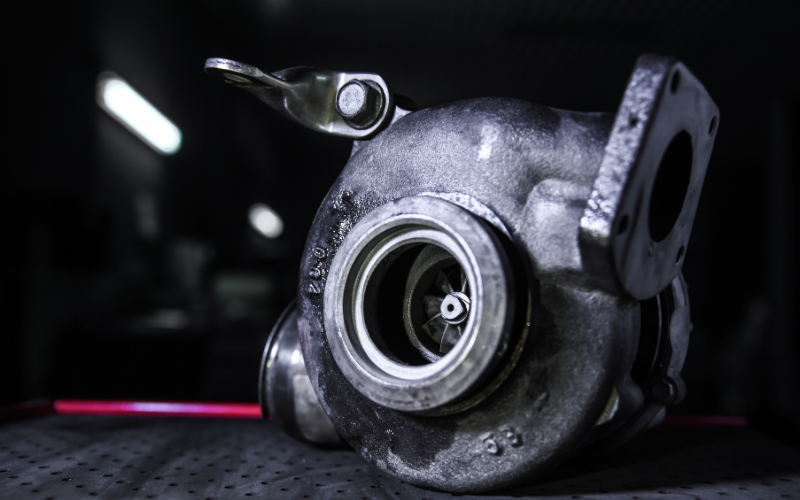
For many diesel owners and fleet managers, OEM turbochargers represent the safest and most straightforward replacement option. Because the unit is brand new and built by or for the original engine manufacturer, buyers know exactly what they’re getting.
Key advantages include:
- Brand-new components with no prior wear history
- Exact factory match and fit, including housings, calibrations, and actuator settings
- Consistent performance aligned with original power, fuel efficiency, and emissions targets
- Manufacturer-backed warranty support, often important for equipment still under coverage
- Lower perceived risk, since the unit comes directly from the original supply chain
Of course, those benefits often come with a higher price tag, which leads many owners to weigh whether the premium is justified compared to a high-quality remanufactured option.
Cons of OEM Turbochargers
While OEM turbochargers offer certainty and factory alignment, they aren’t always the most practical solution for every diesel owner or fleet. Several drawbacks can influence the buying decision:
- Higher upfront cost compared to remanufactured alternatives
- Availability or lead-time issues, especially for older or less common models
- No design improvements, you may be reinstalling the same version that failed originally
- Limited flexibility if you’re looking for performance upgrades or budget options
For operations where margins are tight or downtime needs to be minimized, these factors often push buyers to evaluate high-quality remanufactured units instead.
Pros of Remanufactured Turbochargers
Remanufactured diesel turbochargers have grown in popularity because they offer a smart balance between cost, reliability, and performance. For owners and fleet managers who need to get their equipment back on the road quickly, or who are looking for a more budget-friendly alternative to OEM parts, remanufactured units can be an excellent choice. When sourced from a reputable facility, these turbos are carefully rebuilt to meet strict standards, often matching the performance of brand-new OEM components while offering additional advantages.
Key benefits include:
- Cost savings: Remanufactured turbos are typically priced significantly lower than brand-new OEM units, helping reduce repair expenses without sacrificing functionality.
- Faster availability: Because remanufactured units are often stocked and ready to ship, they can minimize downtime compared to waiting for an OEM replacement.
- Eco-friendly and sustainable: Reusing and restoring existing components reduces waste and supports environmentally responsible practices.
- Corrected known failure points: High-quality remanufacturing facilities often address design or durability weaknesses found in the original unit, improving long-term reliability.
- Performance can match OEM: When properly rebuilt, a remanufactured turbo can deliver performance and efficiency comparable to a brand-new OEM part, giving you confidence in its capabilities.
This combination of affordability, reliability, and sustainability makes remanufactured turbochargers an appealing option for many diesel operators.
Cons of Remanufactured Turbochargers
While remanufactured turbochargers offer notable benefits, there are potential drawbacks to consider before making a purchase. The quality and reliability of a remanufactured unit can vary significantly depending on the supplier and the processes used during rebuilding:
- Quality varies by supplier: Not all remanufacturing facilities follow the same standards. A low-quality rebuild can result in premature failure or inconsistent performance.
- Not all parts may be replaced: Some remanufactured turbos reuse certain components, which may still have wear and could affect longevity.
- Warranty may differ: Unlike OEM units, which often come with extensive manufacturer-backed coverage, remanufactured turbos may have limited or shorter warranties.
- Risk if balancing/testing standards are poor: High-speed balancing and performance testing are critical to turbo reliability. Skipping or cutting corners in these processes can lead to boost issues, vibration, or engine damage.
Because of these factors, it’s essential to work with a reputable remanufacturer that follows strict rebuild protocols and offers documented testing. Doing so helps ensure the turbo delivers performance and durability close to that of a brand-new OEM unit.
Key Factors to Consider Before Choosing
Selecting between an OEM and a remanufactured diesel turbocharger isn’t just about price, it’s about finding the option that best aligns with your equipment, workload, and long-term goals. Here are the main factors to weigh before making a decision:
- Budget vs. downtime costs: While remanufactured turbos are generally less expensive, an OEM unit may be worth the extra investment if extended downtime could cost more than the part itself. Consider both the upfront price and the potential impact of being off the road.
- Age and value of the truck or equipment: For newer, high-value vehicles, OEM replacements may preserve resale value and maintain warranty coverage. For older units, a remanufactured turbo can deliver reliable performance at a fraction of the cost.
- Warranty requirements: If your equipment is still under factory or fleet warranty, an OEM replacement may be required to avoid voiding coverage. Conversely, remanufactured turbos often come with their own warranties, but terms can vary.
- Application severity: The type of work your diesel engine handles matters. Heavy-haul trucking, agricultural machinery, or construction equipment operating in extreme conditions may demand the guaranteed durability of an OEM unit, whereas lighter-duty or intermittent use may suit a high-quality remanufactured turbo.
- Reputation of the turbo supplier: Whether OEM or remanufactured, sourcing from a trusted, certified supplier ensures proper build standards, testing, and support, reducing the risk of premature failure.
By evaluating these factors, you can make a more informed choice that balances performance, reliability, and cost, helping your diesel engine run efficiently and dependably for years to come.
How to Tell If a Remanufactured Turbo Is High Quality?
Not all remanufactured turbochargers are created equal. The performance, durability, and longevity of a remanufactured unit depend heavily on the standards followed during the rebuild. Here are the key indicators of a high-quality remanufactured turbo:
- Certified remanufacturing process: Look for suppliers that follow documented, industry-recognized procedures for inspection, disassembly, cleaning, and reassembly.
- Replacement of critical components: Bearings, seals, and thrust parts should always be new, even if some external components are reused.
- High-speed balancing and calibration: Proper balancing ensures smooth operation, prevents vibration, and protects the engine from unnecessary wear.
- Performance testing: Units should be tested for boost pressure, airflow, and responsiveness to confirm they meet OEM-level specifications.
- Clear warranty and documentation: Reliable suppliers provide warranties and testing records, giving you confidence in the turbo’s performance and durability.
Choosing a remanufactured turbo from a reputable source can provide performance and reliability close to an OEM replacement while still offering cost savings.
Which Option Is Right for You?
Deciding between an OEM and a remanufactured diesel turbocharger ultimately depends on your priorities, budget, and the demands of your equipment. Here’s a quick guide to help you weigh your options:
- Choose OEM if:
- Your truck or equipment is still under warranty and factory coverage is a priority.
- You want the absolute certainty of brand-new components and exact factory specifications.
- Downtime is less of a concern and you’re willing to invest in long-term peace of mind.
- Your application involves heavy-duty, high-stress work where maximum reliability is critical.
- Choose Remanufactured if:
- You want to reduce repair costs without sacrificing performance.
- Quick availability is important to minimize equipment downtime.
- You’re working with older equipment where a cost-effective solution makes more sense.
- You can source a remanufactured unit from a reputable supplier that provides proper testing, balancing, and warranty coverage.
There’s no one-size-fits-all answer. By considering your equipment’s age, usage intensity, warranty needs, and budget, you can make an informed choice that keeps your diesel engine performing reliably while maximizing value.
Reliable Remanufactured Turbochargers from HD Turbo
When it comes to replacing a diesel turbocharger, both OEM and remanufactured options have their advantages. OEM turbos offer brand-new components, factory-perfect fit, and strong warranty coverage, while remanufactured units provide cost savings, faster availability, and the potential for performance that rivals OEM, especially when sourced from a trusted supplier.
Ultimately, the right choice depends on your equipment’s age, usage, budget, and how critical uptime is to your operations. For many diesel owners and fleet operators, a high-quality remanufactured turbocharger strikes the perfect balance between reliability and affordability.
If you’re looking for dependable remanufactured diesel turbochargers, HD Turbo offers a wide selection of heavy-duty units that are professionally rebuilt, tested, and ready to keep your engine performing at its best. Explore our catalog today to find the right turbo for your truck or equipment and get back on the road with confidence, or call HD Turbo at (847) 258-3785 to speak with an expert and get the right turbo solution fast.
Mission
We have ONE GOAL – provide you with a MORE POWERFUL and MOST RELIABLE turbocharger for years to come.
High Quality Products
Heavy-duty turbochargers are high-quality, produced in a state-of-the-art facility capable of balancing turbo components as well as whole rotating assemblies. Strict quality control.
Great Team
Our dedicated and detail-oriented team is always happy to help you – don’t hesitate to reach out with questions or comments.
NEED HELP?
GOT QUESTIONS?
Want to talk to our support team? Call us at (847) 258-3785
WE SHIP TO ALL 50 STATES. ORDER TODAY
HD Turbo ships diesel turbo parts and actuators to all 50 states.
-
Fast nationwide shipping on in-stock parts
-
Free return label to return the core (excl. Alaska, Hawaii, Puerto Rico).
-
Technical support available
SHOP
Product Categories
Diesel Turbos by Brand
- Cummins Turbos
- Detroit Turbos
- Paccar Turbos
- Mack Turbos
- Volvo Turbos
- Dodge Ram Turbochargers
- Mercedes Sprinter Turbos
Diesel Turbo Actuators by Brand
- Cummins Actuators
- Detroit Turbo Actuators
- Paccar Trubo Actuators
- Mack Truck Turbo Actuators
- Volvo Truck Turbo Actuators
Popular Diesel Turbos
- 6.7 Cummins Turbochargers
- Holset Turbos
- Cummins ISX Turbo
- Volvo D13 Turbos
- Mack MP8 Turbocharger
- Mack E7 Turbos
- HE451VE Turbos
Popular Diesel Turbo Actuators

2250 Estes Ave,
Elk Grove Village, IL 60007
Mon-Fri: 8AM - 4.30PM
Sat: 8AM - 12.00PM
Sun: Closed
 Authorized Dealer
®2018-2026 HD Turbo, LLC. All rights reserved.