Running a trucking fleet is one of the most operationally demanding businesses in the country. Fuel, labor, insurance, and compliance costs all demand attention, but maintenance is the line item that can quietly spiral out of control if it isn’t managed with discipline. A single unplanned breakdown can cost thousands of dollars in repairs, towing, lost revenue, and driver downtime. Multiply that across a fleet of 20, 50, or 100 trucks and you can see why maintenance strategy is one of the most important levers a fleet manager has.
The good news: there are proven, practical approaches that successful fleet managers use to keep maintenance costs under control without sacrificing uptime or safety. Here’s a look at the most effective ones.
1. Shift from Reactive to Preventive Maintenance
The single biggest driver of high maintenance costs is a reactive mindset, fixing things only after they break. Emergency repairs almost always cost more than scheduled ones: parts are sourced at a premium, labor is rushed, and trucks sit idle longer than they should.
The fix is a structured Preventive Maintenance (PM) program built around mileage and time intervals. This means regularly scheduled oil and filter changes, coolant flushes, brake inspections, tire rotations, and full drivetrain checks, whether the truck seems to need it or not.
Most fleets that switch to a rigorous PM schedule see a meaningful drop in roadside failures within the first year. The upfront cost of scheduled maintenance is nearly always lower than the cost of unplanned repairs.
2. Train Drivers to Be Your First Line of Defense
Drivers spend more time with their trucks than any mechanic does. They can feel a vibration that shouldn’t be there, notice an oil pressure gauge that’s reading slightly low, or smell something burning before it becomes a catastrophic failure. That makes them an invaluable early-warning system, but only if they’re trained and incentivized to report problems promptly.
Fleet managers who invest in driver education around basic vehicle health monitoring and pre-trip inspections consistently catch issues earlier and cheaper. A culture where drivers feel confident flagging concerns, rather than worried about being blamed, pays dividends in avoided repair bills.
3. Use Telematics and Fleet Management Software
Modern telematics systems do far more than track location. The right platform gives you real-time engine diagnostics, fault code alerts, idle time tracking, hard braking events, and detailed reports on vehicle health trends.
When a truck’s ECM throws a fault code, fleet software can flag it immediately, long before it becomes a drivability issue. Managers can then schedule maintenance proactively rather than scrambling after a breakdown. Over a full fleet, this kind of data-driven maintenance scheduling can significantly reduce both repair frequency and per-repair cost.
Telematics also helps identify driving behaviors that accelerate component wear such as hard acceleration, excessive idling, and aggressive braking, giving managers the information they need to coach drivers and extend component life.
4. Standardize Your Fleet Where Possible
Running a mixed fleet of trucks from different manufacturers, engine families, and model years creates a parts and training nightmare. Your technicians need to be familiar with multiple engine platforms, your parts inventory needs to cover a wider range of components, and the likelihood of having the right part on hand when you need it drops.
Where it makes sense operationally, standardizing on a smaller number of truck configurations reduces parts inventory costs, simplifies technician training, and makes PM schedules easier to manage. It also gives you more purchasing leverage with suppliers.
5. Build Strong Supplier Relationships and Negotiate on Parts
Parts cost is one area where fleet managers have real negotiating power, especially at scale. Building preferred supplier relationships, consolidating purchasing with fewer vendors, and negotiating volume pricing on high-turnover items like filters, belts, brakes, and fluids can meaningfully reduce parts spend over the course of a year.
It’s also worth evaluating your parts sourcing strategy more broadly. Not every component needs to be a new OEM part. For many heavy-duty truck components, remanufactured parts that are rebuilt to OEM specifications deliver the same performance and reliability at a significantly lower cost.
6. Choose Remanufactured Parts Strategically — Especially Turbochargers
One of the highest-impact decisions a fleet manager can make on parts strategy is switching to quality remanufactured components for major repairs. This is especially true for turbochargers.
Turbocharger failure is one of the most common and most expensive repairs in the heavy-duty trucking world. A failed turbo can mean thousands of dollars in parts and labor, plus however many days the truck is out of service. For most fleets, turbocharger replacements are a recurring line item, not a once-a-decade event.
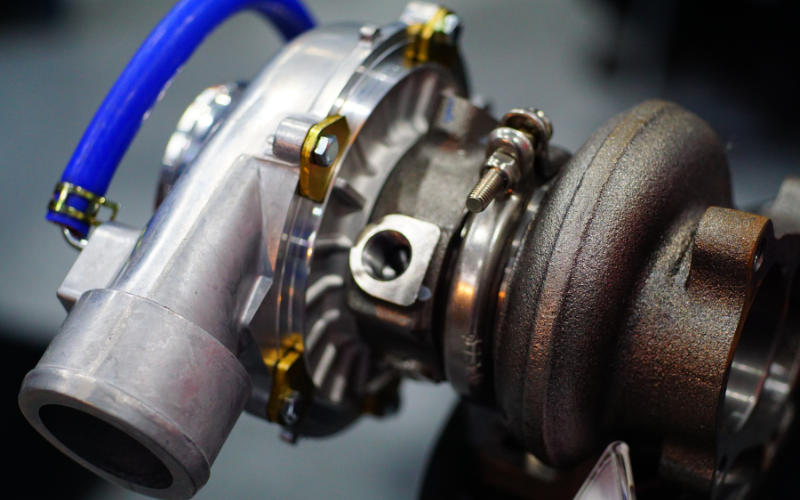
New OEM turbochargers carry a significant price premium. But a properly remanufactured turbocharger, rebuilt to OEM specifications with new seals, bearings, and wear components, delivers the same performance and longevity as a new unit at a fraction of the cost.
HD Turbo offers remanufactured heavy-duty turbochargers that are rebuilt using precision balancing equipment capable of handling turbo shaft speeds up to 300,000 RPMs. Every unit is flow bench tested and inspected for oil leaks before it ships. HD Turbo’s remanufactured turbos meet or exceed OEM specifications and come with a 12-month, unlimited-mileage warranty, so fleet managers aren’t trading cost savings for risk.
For fleets running Cummins ISX, X15, or other common heavy-duty platforms, sourcing remanufactured turbos from HD Turbo instead of new OEM units is one of the clearest cost-reduction wins available.
7. Track Cost Per Mile, Not Just Total Spend
Many fleet managers look at maintenance in aggregate including total dollars spent per month or per quarter. That’s useful, but it can obscure what’s actually driving costs. The more actionable metric is cost per mile, tracked at the individual truck level.
When you measure maintenance cost per mile per truck, patterns emerge quickly. Certain trucks consistently cost more to maintain than the fleet average, maybe because of age, route conditions, or accumulated deferred maintenance. That data gives you the ability to make informed decisions about whether a truck should be repaired, reassigned, or replaced, rather than continuing to pour money into a chronic problem unit.
Cost per mile also helps you benchmark the ROI of maintenance investments. If switching to a preventive maintenance schedule or sourcing remanufactured turbos reduces your cost per mile across the fleet, you can quantify that impact and make the case for expanding the approach.
8. Don’t Defer Maintenance to Save Short-Term
When budget pressure hits, deferred maintenance is often the first temptation. It’s easy to push back that PM service a few more weeks or decide that a minor issue can wait until the next scheduled stop.
This is one of the most expensive decisions a fleet manager can make. Small problems deferred become big problems, and big problems become catastrophic failures. A worn seal that should have been replaced during a scheduled PM can lead to oil contamination, bearing failure, and a complete turbocharger rebuild. An ignored coolant leak can escalate to an overheated engine and a very expensive repair bill.
Discipline around not deferring maintenance is one of the clearest separators between fleets that manage costs well and fleets that don’t.
9. Invest in Technician Training and Retention
In-house maintenance capability is a significant competitive advantage for a fleet. When your technicians know your trucks inside and out, they diagnose problems faster, fix things right the first time, and catch issues during PM services that a less experienced tech might miss.
That kind of capability takes years to build and is easily lost to turnover. Investing in technician training, building clear career paths, and paying competitively for skilled labor all have strong ROI in reduced repair costs and downtime over time. It’s often cheaper to retain a great technician than to replace one.
The Bottom Line
Reducing fleet maintenance costs isn’t about cutting corners, it’s about being disciplined, proactive, and strategic. Preventive maintenance, driver engagement, telematics, smart parts sourcing, and consistent cost tracking all work together to lower your total cost of ownership and keep trucks earning miles instead of sitting in the shop.
On the parts side, remanufactured turbochargers are one of the clearest opportunities to reduce costs without reducing quality. If your fleet runs heavy-duty trucks with turbocharged engines, it’s worth taking a hard look at your turbocharger sourcing strategy.
Ready to Reduce Your Fleet’s Turbocharger Costs?
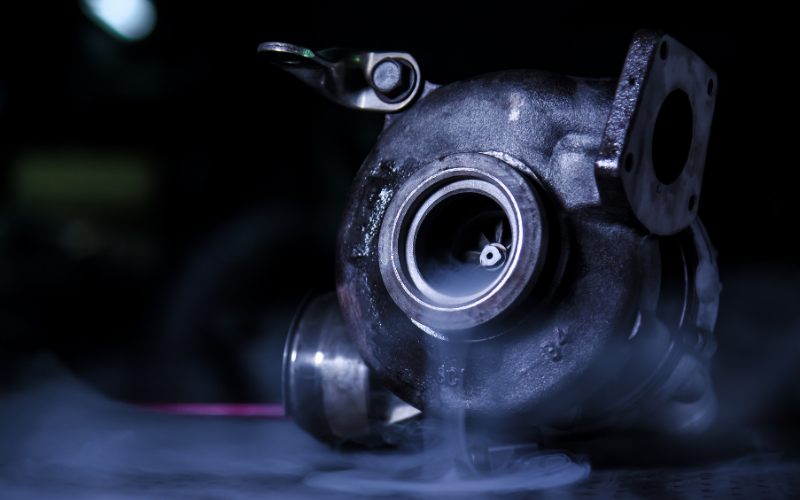
HD Turbo offers a full line of remanufactured heavy-duty turbochargers for the most common platforms in the trucking industry. Every unit is precision-balanced, flow bench tested, and backed by a 12-month unlimited-mileage warranty.
Shop HD Turbo’s Remanufactured Heavy-Duty Turbochargers →
Stop paying OEM prices for turbocharger replacements. Get the same performance and reliability at a cost your bottom line will notice.
Mission
We have ONE GOAL – provide you with a MORE POWERFUL and MOST RELIABLE turbocharger for years to come.
High Quality Products
Heavy-duty turbochargers are high-quality, produced in a state-of-the-art facility capable of balancing turbo components as well as whole rotating assemblies. Strict quality control.
Great Team
Our dedicated and detail-oriented team is always happy to help you – don’t hesitate to reach out with questions or comments.
NEED HELP?
GOT QUESTIONS?
Want to talk to our support team? Call us at (847) 258-3785
WE SHIP TO ALL 50 STATES. ORDER TODAY
HD Turbo ships diesel turbo parts and actuators to all 50 states.
-
Fast nationwide shipping on in-stock parts
-
Free return label to return the core (excl. Alaska, Hawaii, Puerto Rico).
-
Technical support available
SHOP
Product Categories
Diesel Turbos by Brand
- Cummins Turbos
- Detroit Turbos
- Paccar Turbos
- Mack Turbos
- Volvo Turbos
- Dodge Ram Turbochargers
- Mercedes Sprinter Turbos
Diesel Turbo Actuators by Brand
- Cummins Actuators
- Detroit Turbo Actuators
- Paccar Trubo Actuators
- Mack Truck Turbo Actuators
- Volvo Truck Turbo Actuators
Popular Diesel Turbos
- 6.7 Cummins Turbochargers
- Holset Turbos
- Cummins ISX Turbo
- Volvo D13 Turbos
- Mack MP8 Turbocharger
- Mack E7 Turbos
- HE451VE Turbos
Popular Diesel Turbo Actuators

2250 Estes Ave,
Elk Grove Village, IL 60007
Mon-Fri: 8AM - 4.30PM
Sat: 8AM - 12.00PM
Sun: Closed
 Authorized Dealer
®2018-2026 HD Turbo, LLC. All rights reserved.