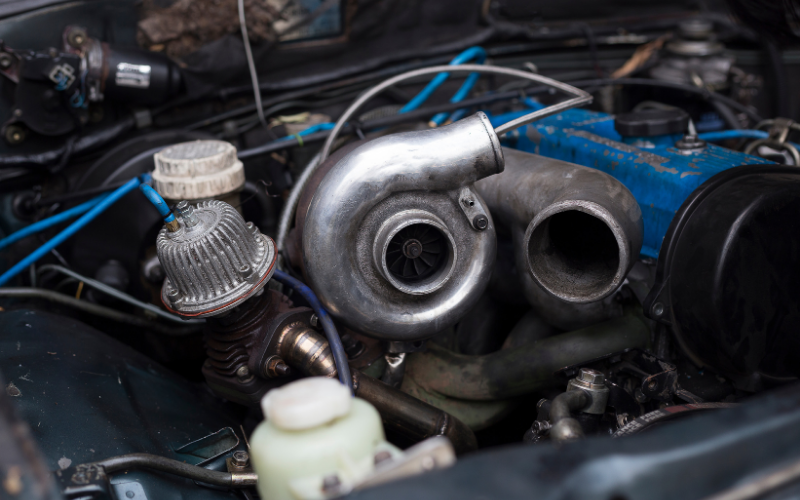
The 6.7L Cummins diesel engine has earned a reputation for durability, towing power, and long service life in heavy-duty pickup trucks. Found in many models from Ram heavy-duty trucks and powered by engines built by Cummins, this platform is widely trusted by contractors, fleet operators, and diesel enthusiasts alike. However, one component that has caused recurring frustration for owners is the electronic actuator on the Holset variable geometry turbocharger.
The Holset turbo actuator plays a critical role in controlling boost pressure and optimizing engine performance. When it works properly, it adjusts the turbo’s vanes to improve power, efficiency, and emissions performance across different driving conditions. But when the actuator begins to fail which is a fairly common issue on the Cummins 6.7L Turbo Diesel, drivers may notice warning lights, loss of power, turbo lag, or even limp mode.
Actuator failures can stem from electronic faults, internal gear wear, corrosion, or calibration issues. Unfortunately, many truck owners discover that replacing the actuator is not always a simple plug-and-play fix, and in some cases, dealerships recommend replacing the entire turbocharger assembly, dramatically increasing repair costs.
In this guide, we’ll break down why Holset turbo actuators fail on the Cummins 6.7L, the warning signs to watch for, and the most effective solutions available to restore performance without unnecessary expense.
Understanding the Holset Variable Geometry Turbo System
Modern diesel engines rely on advanced turbocharging technology to balance power, efficiency, and emissions control. One of the most important components in this system is the variable geometry turbocharger (VGT) used on the Cummins 6.7L Turbo Diesel. Unlike traditional fixed-geometry turbos, a VGT can automatically adjust how exhaust gases flow through the turbocharger to optimize performance under different driving conditions.
At the center of this system is the turbocharger manufactured by Holset, a brand known for designing turbo systems specifically for heavy-duty diesel engines. Inside the turbo is a ring of movable vanes that control how quickly exhaust gases spin the turbine. By changing the position of these vanes, the turbo can respond more efficiently whether the engine is idling, accelerating, or pulling a heavy load.
The component responsible for controlling these vanes is the electronic turbo actuator. This actuator is mounted on the turbocharger housing and communicates with the engine control module (ECM). Based on engine load, throttle input, and other sensor data, the actuator precisely adjusts the vane position to regulate boost pressure and exhaust flow. These constant adjustments allow the engine to maintain optimal performance across a wide range of RPMs.
This technology is especially valuable in heavy-duty pickup trucks built by Ram, where the engine from Cummins must deliver strong torque for towing while also meeting modern emissions standards. The VGT system improves low-end torque, throttle response, and fuel efficiency, while also enabling features like the integrated exhaust brake, which helps control speed when hauling heavy loads downhill.
When everything is functioning properly, the variable geometry turbo system helps the 6.7L Cummins deliver the combination of power, efficiency, and durability that diesel truck owners expect. However, because the turbo actuator plays such a critical role in controlling the system, any malfunction can quickly lead to noticeable performance issues.
Common Symptoms of Turbo Actuator Failure
When the turbo actuator begins to malfunction, the effects are often noticeable almost immediately. Because the actuator controls vane movement inside the turbocharger, even small electronic or mechanical problems can disrupt boost control and overall engine performance on the Cummins 6.7L Turbo Diesel.
- Check engine light: The engine control module monitors turbocharger performance closely, and when the actuator fails to respond correctly or cannot reach the commanded position, it triggers a diagnostic trouble code. Common codes associated with turbo actuator problems include P226C, P003A, P00AF, and P2563, which typically indicate vane position issues or actuator control faults related to the turbo system from Holset.
- Reduced engine power or limp mode: When the system detects a turbo control issue, it may limit engine output to prevent damage. Drivers may experience sluggish acceleration, difficulty maintaining speed while towing, or the truck refusing to build normal boost pressure. This can be particularly frustrating for owners of heavy-duty trucks from Ram that rely on strong torque for hauling and towing.
- Slow turbo response or inconsistent boost levels: Since the actuator is responsible for adjusting the turbo vanes, a failing unit may not respond quickly enough to engine demands. This can lead to noticeable turbo lag, weak throttle response, or erratic boost behavior during acceleration.
- Exhaust brake may stop functioning properly: The exhaust brake relies on the turbo’s variable vanes to create backpressure in the exhaust system. If the actuator cannot position the vanes correctly, the exhaust brake may feel weaker than usual or stop working entirely.
- Intermittent turbo performance: The vehicle may drive normally one moment and then suddenly lose power or trigger a warning light the next. This inconsistency is often a sign that the actuator’s internal motor, gears, or electronics are beginning to fail.
Recognizing these early warning signs can help truck owners address actuator problems before they lead to more severe turbocharger damage or costly repairs.
The following are the fault codes you may encounter on the engine control module and what each code means:
- P003A – Turbocharger Boost Control “A” Position Exceeded Learning Limit
This code indicates that the turbocharger actuator cannot properly learn or reach the expected vane position during its calibration cycle. On the Cummins 6.7L Turbo Diesel, it often means the variable geometry turbo vanes are sticking due to soot buildup, or the electronic actuator on the Holset turbocharger is failing internally. Fixes may include cleaning the turbo vane assembly, recalibrating the actuator with diagnostic software, repairing wiring issues, or replacing the turbo actuator if the internal motor or gears are worn. - P144E – Diesel Exhaust Fluid (DEF) System Performance / Reductant System Issue
The P144E code typically points to a problem in the DEF or emissions aftertreatment system, which works alongside the turbo and EGR systems to control emissions. While not directly a turbo actuator code, it can appear alongside boost or airflow issues. Common causes include a faulty DEF pump, clogged DEF injector, crystallized DEF lines, or sensor failures within the emissions system used by trucks from Ram equipped with engines from Cummins. Repairs usually involve inspecting the DEF system components and replacing or cleaning the faulty part. - P226C – Turbocharger Boost Control “A” Slow Response
This code indicates that the turbo actuator is responding too slowly when commanded to adjust vane position. It is frequently associated with actuator motor wear, internal gear failure, or carbon buildup restricting vane movement in the turbo from Holset. The most common fixes include replacing the turbo actuator, cleaning the variable vane mechanism, or checking for damaged wiring between the actuator and the engine control module. - P0046 – Turbocharger Boost Control Circuit Range/Performance
The P0046 code usually means the engine control module detects a range or performance issue with the turbo actuator control circuit. This can occur when the actuator cannot move through its full range, or when electrical communication is disrupted. Potential solutions include checking wiring harnesses and connectors, recalibrating the actuator, or replacing a faulty turbo actuator on the Cummins 6.7L Turbo Diesel. - P0299 – Turbocharger Underboost Condition
The P0299 code appears when the engine detects lower boost pressure than expected. This can occur if the turbo actuator cannot properly adjust the vanes, but it may also result from boost leaks, clogged air filters, damaged intercooler hoses, or a worn turbocharger. On diesel trucks from Ram, diagnosing this code often involves checking boost pressure readings, inspecting the turbo system, and testing the actuator to confirm whether it is responding correctly.
Why Holset Turbo Actuators Fail
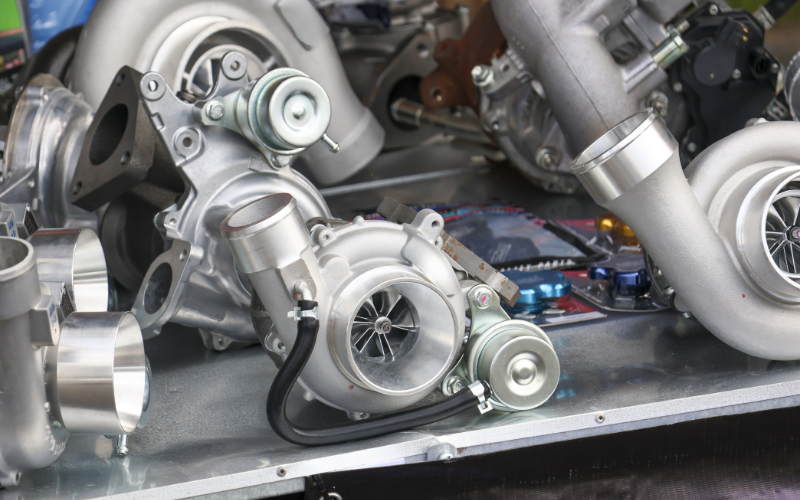
The electronic actuator used on turbochargers from Holset is responsible for precisely controlling the variable vanes inside the turbocharger. On the Cummins 6.7L Turbo Diesel, this actuator constantly adjusts vane position to regulate boost pressure, exhaust flow, and exhaust brake performance. Because the component operates in a high-heat, high-vibration environment, it is one of the more common failure points in the turbo system.
Several mechanical, electrical, and environmental factors can lead to actuator failure over time.
Common reasons Holset turbo actuators fail include:
- Internal electronic motor failure:
The actuator relies on a small electric motor to move the turbo vanes. After years of operation and thousands of adjustment cycles, the motor can weaken or stop functioning, preventing the actuator from positioning the vanes correctly. - Gear wear inside the actuator housing:
Inside the actuator are precision gears that convert motor rotation into controlled vane movement. Over time these gears can wear down or develop excessive play, leading to inaccurate positioning or slow actuator response. - Moisture intrusion and corrosion:
Although the actuator housing is sealed, exposure to moisture, road salt, and temperature fluctuations can eventually allow water to enter the unit. Corrosion on internal electronics or connectors can disrupt communication with the engine control module. - Carbon buildup restricting vane movement:
Soot and carbon deposits inside the turbocharger can cause the variable vanes to stick or bind. When the actuator cannot move the vanes freely, it may trigger fault codes or appear to fail even though the actuator itself is still functional. - Electrical connector or wiring problems:
Damaged wiring harnesses, loose connectors, or poor electrical grounding can interrupt signals between the actuator and the engine control module. These issues often cause intermittent turbo performance problems that mimic actuator failure. - Extreme heat exposure:
Because the actuator is mounted directly on the turbocharger, it is exposed to constant high exhaust temperatures. Over time, repeated heat cycles can degrade internal electronics, seals, and lubricants, eventually leading to failure.
Understanding these common causes can help identify whether the issue lies with the actuator itself, the turbocharger’s internal components, or the surrounding electrical system. Diagnosing the root cause early can help prevent more serious turbocharger damage and reduce repair costs.
Repair Options for Cummins 6.7L Turbo Actuator Failure
Once a faulty actuator has been confirmed, the next step is choosing the most appropriate repair. On the Cummins 6.7L Turbo Diesel, there are several possible approaches depending on the condition of the turbocharger, the type of failure, and the budget for the repair. Understanding these options can help truck owners avoid unnecessary costs while restoring proper turbo performance.
1. Replacing the Turbo Actuator Only
In many cases, the actuator itself is the only component that has failed, while the turbocharger remains in good condition. Since the actuator used on turbochargers from Holset is mounted externally, it can often be replaced without removing the entire turbo.
However, actuator replacement usually requires electronic calibration. The new unit must be programmed so it can properly synchronize with the turbo vane positions and the engine control module. This calibration process is typically done with specialized diagnostic tools.
Replacing only the actuator is often the most affordable repair option, as it avoids the much higher cost of a full turbocharger replacement. Labor time is also generally lower compared to removing and installing a complete turbo assembly.
2. Replacing the Entire Turbocharger
In some situations, replacing the actuator alone will not solve the problem. If the turbocharger’s internal vane mechanism is damaged, heavily carboned up, or seized, installing a new actuator will not restore proper function.
For this reason, many dealerships servicing trucks from Ram often recommend replacing the entire turbocharger assembly rather than diagnosing individual components. While this approach can eliminate multiple potential failure points, it also significantly increases the repair cost.
A complete turbo replacement may be recommended when:
- The turbo vanes are stuck or damaged
- There is excessive shaft play or internal turbo wear
- The turbo housing or vane ring is heavily carboned and cannot be cleaned
- Multiple turbo-related codes appear together
Because the turbocharger is a more complex component, this repair option typically costs substantially more than replacing the actuator alone.
3. Remanufactured or Upgraded Actuators
Another option many diesel owners consider is installing a remanufactured or upgraded turbo actuator. These units are rebuilt using refurbished components or improved internal parts designed to address common failure points.
Remanufactured actuators can be a cost-effective alternative to brand-new units, while still restoring full turbo functionality. Some aftermarket versions are designed to improve durability in high-heat environments where actuator failures commonly occur.
As with new actuators, these units typically still require proper calibration and programming to work correctly with the turbo system and engine control module.
Choosing the right repair option ultimately depends on the condition of the turbocharger and the specific failure that occurred. A proper diagnosis helps ensure the repair addresses the real issue while keeping costs under control.
Restore Performance with a Remanufactured Turbo Actuators from HD Turbo
Turbo actuator failures are a common issue for trucks powered by the Cummins 6.7L Turbo Diesel, but the good news is that they don’t always require replacing the entire turbocharger. In many cases, diagnosing the problem early and replacing the actuator used on the turbochargers from Holset can restore proper boost control, exhaust brake performance, and overall engine efficiency without the expense of a full turbo replacement.
For truck owners and diesel technicians looking for a dependable replacement option, HD Turbo offers remanufactured turbo actuators designed specifically for heavy-duty diesel applications. These actuators are professionally rebuilt to meet strict quality standards and provide a cost-effective alternative to buying a brand-new turbocharger assembly.
Every actuator from HD Turbo is backed by a 12-month unlimited mileage warranty, giving drivers confidence that their repair will hold up under real-world conditions, whether the truck is used for daily driving, heavy towing, or commercial work.
If your truck is showing signs of turbo actuator failure, upgrading to a remanufactured 6.7 Cummins Turbo Actuator from HD Turbo can help restore turbo performance while keeping repair costs under control. Contact us for more information or assistance.
Mission
We have ONE GOAL – provide you with a MORE POWERFUL and MOST RELIABLE turbocharger for years to come.
High Quality Products
Heavy-duty turbochargers are high-quality, produced in a state-of-the-art facility capable of balancing turbo components as well as whole rotating assemblies. Strict quality control.
Great Team
Our dedicated and detail-oriented team is always happy to help you – don’t hesitate to reach out with questions or comments.
NEED HELP?
GOT QUESTIONS?
Want to talk to our support team? Call us at (847) 258-3785
SHOP
Product Categories
Diesel Turbos by Brand
- Cummins Turbos
- Detroit Turbos
- Paccar Turbos
- Mack Turbos
- Volvo Turbos
- Dodge Ram Turbochargers
- Mercedes Sprinter Turbos
Diesel Turbo Actuators by Brand
- Cummins Actuators
- Detroit Turbo Actuators
- Paccar Trubo Actuators
- Mack Truck Turbo Actuators
- Volvo Truck Turbo Actuators
Popular Diesel Turbos
- 6.7 Cummins Turbochargers
- Holset Turbos
- Cummins ISX Turbo
- Volvo D13 Turbos
- Mack MP8 Turbocharger
- Mack E7 Turbos
- HE451VE Turbos
Popular Diesel Turbo Actuators

2250 Estes Ave,
Elk Grove Village, IL 60007
Mon-Fri: 8AM - 4.30PM
Sat: 8AM - 12.00PM
Sun: Closed
 Authorized Dealer
®2018-2025 HD Turbo, LLC. All rights reserved.