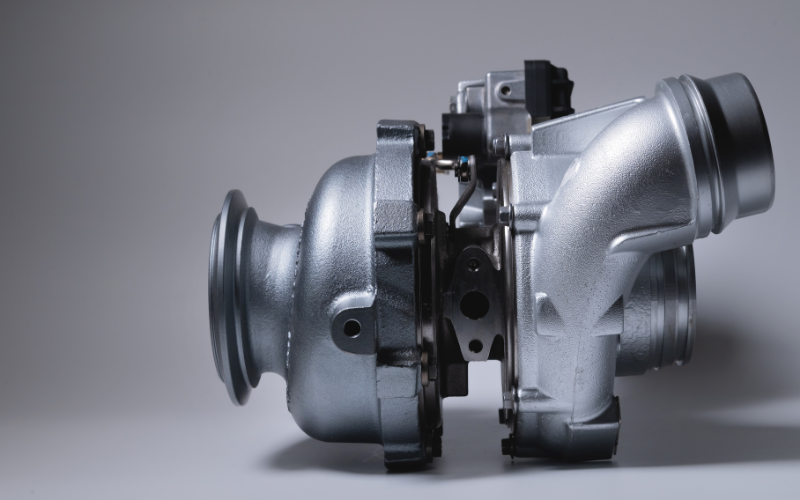
A properly functioning turbocharger is essential to the performance, fuel efficiency, and reliability of any Detroit Diesel engine. Whether your truck powers long-haul routes, construction equipment, or industrial machinery, the turbocharger works under intense heat and pressure every day. Without regular maintenance, issues like oil contamination, clogged air filters, and excessive wear can reduce engine performance and lead to costly repairs or unexpected downtime.
By following a few preventive maintenance practices, fleet owners and operators can extend the lifespan of their Detroit Diesel turbochargers and keep their engines running at peak performance. In this blog, we’ll cover essential Detroit Diesel turbocharger maintenance tips, common warning signs of turbo failure, and best practices to help you avoid major engine problems.
Why Turbocharger Maintenance Matters
The turbocharger is a critical component in any diesel engine, including those built by Detroit Diesel. Its primary role is to increase engine efficiency by forcing more compressed air into the combustion chamber, allowing the engine to burn fuel more completely. The result is improved horsepower, better torque output, and enhanced fuel economy, all essential for heavy-duty applications like trucking, construction, and industrial operations.
When a turbocharger is properly maintained, it helps the engine run cleaner and more efficiently under demanding conditions. However, when maintenance is neglected, performance issues begin to surface quickly. Dirty oil, restricted airflow, and excessive heat can all cause the turbocharger to wear prematurely, leading to reduced boost pressure and noticeable power loss. Over time, this can place added strain on other engine components, increasing the risk of costly breakdowns.
For fleets and owner-operators, preventive maintenance is especially important. Regular turbocharger care helps minimize unexpected downtime, extend engine life, and improve overall fuel efficiency. In commercial operations where every hour of uptime matters, even small improvements in reliability can translate into significant cost savings. By staying ahead of maintenance needs, operators can protect their investment and ensure their Detroit Diesel engines continue performing at peak levels.
4 Common Causes of Turbocharger Failure
Turbochargers operate in extreme conditions, relying on a constant supply of clean oil and unrestricted airflow to perform efficiently. When even one of these conditions is compromised, it can quickly lead to reduced performance or complete turbocharger failure. Understanding the most common causes of damage can help operators prevent costly repairs and avoid unexpected downtime.
1. Oil Contamination
Clean oil is essential for lubricating and cooling the turbocharger’s internal bearings. When oil becomes dirty, degraded, or contaminated with debris, it loses its ability to protect critical components. This can result in increased friction, overheating, and accelerated wear. Over time, sludge buildup and abrasive particles can cause scoring on turbo parts, ultimately leading to premature failure.
2. Restricted Airflow
A turbocharger depends on a steady flow of clean air to operate efficiently. Clogged or neglected air filters are one of the most common causes of airflow restriction. When airflow is limited, the turbocharger must work harder to maintain performance, which increases stress on the system. In some cases, debris may bypass damaged filters and enter the intake system, causing internal damage to compressor components and reducing overall engine efficiency.
3. Excessive Heat and Overworking the Engine
High exhaust temperatures place significant stress on the turbocharger, especially during heavy loads or prolonged operation. When an engine is pushed beyond its optimal limits, the turbo is forced to spin at extremely high speeds under intense heat. One common mistake is shutting the engine off immediately after heavy use, which prevents proper cooling and can cause oil to “cook” inside the turbo, leading to carbon buildup and restricted lubrication pathways.
4. Foreign Object Damage
Even small foreign objects entering the intake or exhaust system can cause serious turbocharger damage. Debris such as dust, dirt, loose hardware, or broken engine components can strike the compressor or turbine blades at high speed, leading to bending, chipping, or catastrophic failure. Regular inspections and proper maintenance of air intake systems are essential to preventing this type of damage and ensuring long-term turbocharger reliability.
5 Essential Detroit Diesel Turbocharger Maintenance Tips
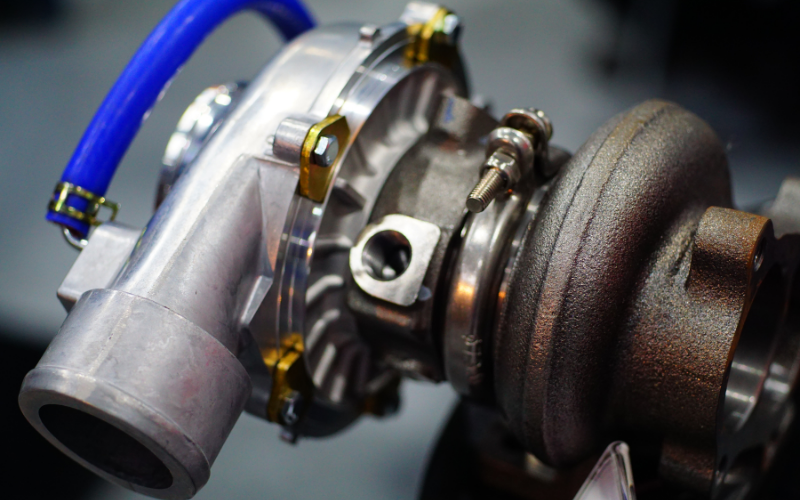
Proper maintenance is the key to maximizing the life and performance of a turbocharger. By following a consistent care routine, operators can significantly reduce wear, prevent unexpected failures, and keep their Detroit Diesel engines running efficiently under demanding conditions.
1. Follow Recommended Oil Change Intervals
Oil is the lifeblood of the turbocharger, providing both lubrication and cooling for high-speed internal components. Using manufacturer-approved oil ensures the correct viscosity and additive protection needed for heavy-duty diesel engines. In addition to using the right oil, it’s essential to replace oil filters on schedule to prevent contaminants from circulating through the system. Clean oil helps reduce friction, minimize heat buildup, and extend turbocharger life.
2. Inspect and Replace Air Filters
Air filters play a critical role in preventing dust, dirt, and debris from entering the turbocharger. Over time, filters can become clogged or damaged, restricting airflow and forcing the turbo to work harder than necessary. Common signs of a dirty air filter include reduced engine power, increased fuel consumption, and visible debris buildup. Regular inspection, especially in dusty or high-usage environments, helps ensure optimal airflow and engine performance.
3. Allow Proper Engine Warm-Up and Cool-Down
Turbochargers operate at extremely high temperatures and speeds, making gradual temperature changes essential. Allowing the engine to warm up before heavy use helps oil circulate properly and reach optimal viscosity. Likewise, a short idle period after heavy operation allows the turbo to cool down and prevents oil from “coking” or burning inside the housing. This simple habit can significantly reduce internal buildup and extend component life.
4. Check for Leaks and Loose Connections
Routine inspection of oil lines, hoses, and clamps is essential for maintaining proper turbocharger function. Even small leaks can reduce lubrication efficiency or lead to pressure imbalances in the system. Boost leaks can cause noticeable performance issues such as sluggish acceleration or reduced power output. Catching and repairing these issues early helps prevent more serious mechanical problems.
5. Monitor Engine Performance
One of the most effective maintenance practices is simply paying attention to how the engine behaves. Signs such as reduced power, slower acceleration, unusual whining or rattling noises, and increased exhaust smoke may indicate developing turbocharger issues. Addressing these warning signs early can prevent minor problems from escalating into major repairs and costly downtime.
Warning Signs of Turbocharger Problems
Even with regular maintenance, turbochargers can develop issues over time due to wear, operating conditions, or system-related problems. Recognizing early warning signs is essential to prevent major engine damage and avoid costly downtime for your Detroit Diesel powered equipment.
- Excessive Exhaust Smoke: Blue or black exhaust smoke may indicate oil leakage or improper air-fuel balance, both of which point to turbocharger problems that need immediate attention.
- Unusual Noises: Whining, grinding, or rattling sounds from the turbo can signal worn bearings or internal damage. These noises typically worsen if the issue is not addressed quickly.
- Increased Oil Consumption: If you’re adding oil more often than usual, the turbo’s seals may be failing, allowing oil to enter the intake or exhaust system.
- Reduced Fuel Efficiency: A struggling turbo can’t maintain proper boost pressure, forcing the engine to work harder and use more fuel to deliver the same performance.
- Check Engine Lights or Fault Codes: Modern diesel systems will often trigger warning lights or store fault codes when turbo performance drops. These alerts should always be diagnosed promptly to avoid further damage.
The Importance of Professional Turbocharger Inspections
While routine maintenance goes a long way in protecting your turbocharger, professional inspections provide an added layer of security for your Detroit Diesel engine. Certified diesel technicians have the tools and expertise to identify issues that may not be visible during standard at-home or in-fleet checks.
Benefits of Routine Inspections by Diesel Technicians
Professional technicians can spot early signs of wear, oil leaks, or airflow restrictions before they turn into major failures. Their experience allows them to evaluate the entire turbo system, not just the turbocharger itself, ensuring all connected components are functioning properly.
Diagnostic Testing for Turbocharger Efficiency
Advanced diagnostic equipment can measure boost pressure, airflow, and overall turbo performance. These tests help determine whether the turbo is operating within manufacturer specifications or if efficiency is declining. Identifying performance drops early allows for targeted repairs instead of full replacements.
Preventing Costly Repairs and Downtime
Regular inspections help catch small issues before they escalate into major engine damage. For fleet operators and owner-operators, this means fewer unexpected breakdowns, reduced repair costs, and less time off the road. Investing in professional inspections ultimately protects engine longevity and keeps operations running smoothly.
4 Tips for Extending the Life of Your Detroit Diesel Engine
Maximizing engine life starts with consistent care and smart operating habits. Alongside proper turbocharger maintenance, following a few key best practices can help protect your Detroit Diesel engine from unnecessary wear and extend its overall service life.
1. Maintain a Regular Preventive Maintenance Schedule
Sticking to a scheduled maintenance plan is one of the most effective ways to prevent unexpected breakdowns. Regular oil changes, filter replacements, and system inspections help ensure that all engine components, including the turbocharger, continue to operate efficiently.
2. Use Quality Replacement Parts
Using high-quality, manufacturer-approved parts helps maintain engine performance and reliability. Inferior components may wear out faster or fail to meet performance standards, leading to additional strain on the engine and turbo system.
3. Avoid Aggressive Driving and Overloading
Consistently pushing the engine beyond its recommended limits can increase heat, pressure, and wear on critical components. Smooth acceleration, proper load management, and responsible driving habits all contribute to longer engine life and reduced maintenance issues.
4. Keep the Cooling System Functioning Properly
An efficient cooling system is essential for controlling engine temperature and preventing overheating. Regularly checking coolant levels, hoses, and radiators helps ensure the engine and turbocharger stay within safe operating temperatures, even under heavy use.
Remanufactured Detroit Turbochargers from HD Turbo
Maintaining a turbocharger is one of the most important steps in preserving the performance, efficiency, and reliability of your Detroit Diesel engine. From routine oil and air filter changes to monitoring performance and scheduling professional inspections, each maintenance step plays a role in preventing premature wear and costly breakdowns.
Even with excellent care, turbochargers will eventually reach the end of their service life. When that happens, choosing a high-quality replacement is essential to restoring engine performance and avoiding future issues. Remanufactured turbochargers offer a cost-effective solution that delivers reliable performance without compromising durability.
For dependable replacement options, consider exploring Detroit Turbochargers from HD Turbo. Our selection of remanufactured Detroit turbochargers is designed to meet demanding performance standards, helping restore power, efficiency, and reliability to your engine while keeping downtime to a minimum.
By combining proactive maintenance with quality replacement parts when needed, you can extend the life of your diesel engine and keep it performing at its best for years to come. Contact us for more information or assistance.
Mission
We have ONE GOAL – provide you with a MORE POWERFUL and MOST RELIABLE turbocharger for years to come.
High Quality Products
Heavy-duty turbochargers are high-quality, produced in a state-of-the-art facility capable of balancing turbo components as well as whole rotating assemblies. Strict quality control.
Great Team
Our dedicated and detail-oriented team is always happy to help you – don’t hesitate to reach out with questions or comments.
NEED HELP?
GOT QUESTIONS?
Want to talk to our support team? Call us at (847) 258-3785
WE SHIP TO ALL 50 STATES. ORDER TODAY
HD Turbo ships diesel turbo parts and actuators to all 50 states.
-
Fast nationwide shipping on in-stock parts
-
Free return label to return the core (excl. Alaska, Hawaii, Puerto Rico).
-
Technical support available
SHOP
Product Categories
Diesel Turbos by Brand
- Cummins Turbos
- Detroit Turbos
- Paccar Turbos
- Mack Turbos
- Volvo Turbos
- Dodge Ram Turbochargers
- Mercedes Sprinter Turbos
Diesel Turbo Actuators by Brand
- Cummins Actuators
- Detroit Turbo Actuators
- Paccar Trubo Actuators
- Mack Truck Turbo Actuators
- Volvo Truck Turbo Actuators
Popular Diesel Turbos
- 6.7 Cummins Turbochargers
- Holset Turbos
- Cummins ISX Turbo
- Volvo D13 Turbos
- Mack MP8 Turbocharger
- Mack E7 Turbos
- HE451VE Turbos
Popular Diesel Turbo Actuators

2250 Estes Ave,
Elk Grove Village, IL 60007
Mon-Fri: 8AM - 4.30PM
Sat: 8AM - 12.00PM
Sun: Closed
 Authorized Dealer
®2018-2026 HD Turbo, LLC. All rights reserved.