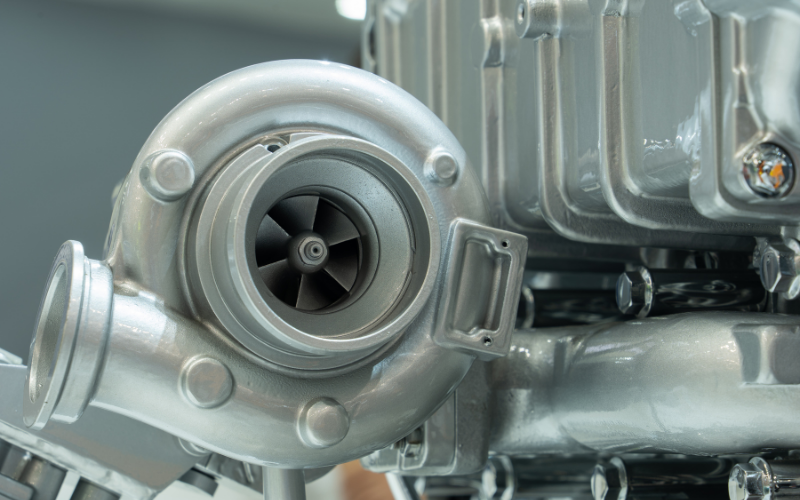
Turbochargers play a critical role in the performance and efficiency of PACCAR diesel engines, helping deliver the power and fuel economy that drivers rely on every day. Whether you’re operating a long-haul fleet or maintaining a single heavy-duty truck, keeping the turbocharger in top condition is essential for avoiding costly downtime and preserving engine performance.
Like any high-performance component, a PACCAR diesel turbocharger is exposed to extreme heat, pressure, and continuous operation, which means wear and buildup can develop over time if routine maintenance is overlooked. Small issues such as oil contamination, restricted airflow, or delayed inspections can quickly escalate into reduced boost pressure, higher fuel consumption, and even engine damage.
In this guide, we’ll walk through practical maintenance tips designed to help you extend turbocharger life, improve reliability, and keep your PACCAR diesel engine running at its best. Whether you’re focused on preventative care or troubleshooting early warning signs, these insights will help you stay ahead of potential problems and protect your investment.
How a Turbocharger Works in PACCAR Diesel Engines
A turbocharger is a key performance component in PACCAR diesel engines, designed to increase both power output and fuel efficiency without significantly increasing engine size. It works by using exhaust gases that would normally be wasted to drive a turbine. That turbine, in turn, powers a compressor that forces more air into the engine’s combustion chamber. With more air available, the engine can burn fuel more completely and efficiently, resulting in improved horsepower, torque, and overall performance.
PACCAR engines rely heavily on turbocharging technology because it allows them to deliver strong performance while maintaining fuel economy standards required in modern heavy-duty trucking. By maximizing the energy extracted from exhaust gases, the turbocharger helps reduce fuel consumption while still providing the power needed for hauling heavy loads over long distances. This balance of efficiency and performance is one of the reasons PACCAR engines are widely used in commercial trucking applications.
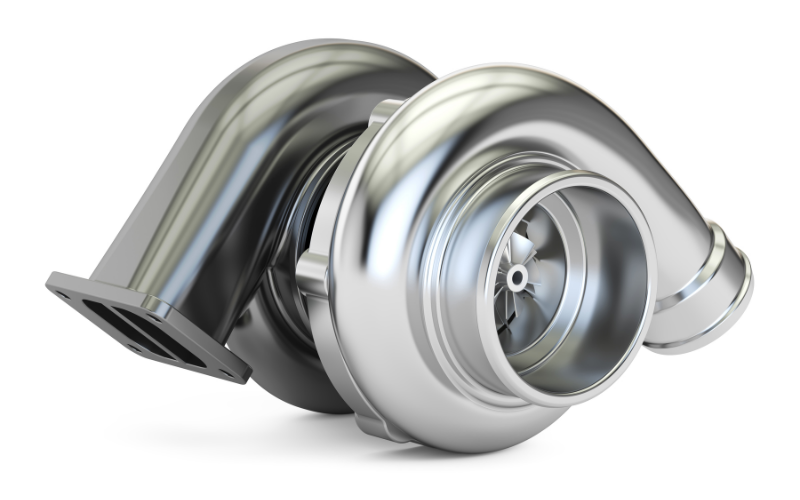
A turbocharger is made up of several critical components that must work together precisely. The turbine side is driven by exhaust gases exiting the engine, while the compressor side draws in and compresses fresh air before it enters the intake system. Connecting these two sides is a high-speed shaft supported by precision bearings, allowing the assembly to spin at extremely high RPMs. Because these components operate under intense heat and pressure, proper lubrication and airflow are essential to keeping the turbocharger functioning reliably over time.
Common Causes of Turbocharger Wear and Failure
Turbochargers operate under extreme conditions, and even small maintenance issues can quickly lead to performance loss or premature failure. Understanding what typically causes wear and damage is the first step in preventing costly repairs and unexpected downtime.
- Dirty or contaminated engine oil: Because the turbocharger shaft spins at extremely high speeds, it relies on clean, high-quality oil for both lubrication and cooling. When oil becomes dirty or breaks down over time, it can lead to increased friction, overheating, and damage to internal components such as bearings and seals.
- Inadequate lubrication: This can occur due to low oil levels, clogged oil passages, or delayed oil changes. Without consistent lubrication, metal components inside the turbocharger can wear down rapidly, leading to scoring, overheating, or even complete seizure of the turbo assembly.
- Air intake restrictions: This is often caused by dirty or clogged air filters. When the engine cannot draw in enough clean air, the turbocharger is forced to work harder to compensate, increasing stress on the system. This can reduce boost efficiency and contribute to long-term wear on the compressor side of the turbo.
- Excessive idling and aggressive shutdowns: Long periods of idling may lead to carbon buildup, while shutting the engine off immediately after heavy operation can prevent the turbo from properly cooling down, leading to heat-related stress and oil coking inside the unit.
- Foreign object damage (FOD): Small debris entering the intake system such as dirt, loose hardware, or deteriorated filter material can strike the compressor wheel at high speed, causing immediate damage. Even minor impacts can throw the turbocharger off balance and lead to vibration, reduced efficiency, or catastrophic failure.
Essential Turbocharger Maintenance Tips
Proper maintenance is the most effective way to extend the life of a PACCAR diesel turbocharger and ensure consistent engine performance. Because the turbocharger operates under high heat and extreme rotational speeds, even small maintenance lapses can lead to significant wear over time. Following a consistent care routine helps reduce the risk of failure and keeps the system running efficiently.
- Regular oil changes using manufacturer-recommended oil: Clean, high-quality engine oil is essential for lubricating and cooling the turbocharger’s internal components. Sticking to proper oil change intervals helps prevent carbon buildup, reduces friction, and protects the bearings and shaft from premature wear.
- Replacing air filters on schedule: A clean air filter ensures that only debris-free air enters the turbocharger and engine. When filters become clogged, airflow is restricted, forcing the turbo to work harder and increasing strain on the entire system. Routine replacement helps maintain proper boost pressure and engine efficiency.
- Inspection of the air intake and exhaust systems: Technicians should look for leaks, loose connections, or blockages that could disrupt airflow. Even small cracks or restrictions can negatively impact turbo performance and lead to inefficient combustion or increased engine stress.
- Check for shaft play or unusual noises: Excessive movement in the shaft or sounds like whining, grinding, or rattling can be early warning signs of internal wear or imbalance. Catching these issues early can prevent more extensive damage and costly repairs.
- Keeping the intercooler clean and functioning properly: The intercooler cools compressed air before it enters the engine, improving combustion and reducing stress on engine components. Dirt, oil buildup, or blockages in the intercooler can reduce cooling efficiency and negatively impact overall performance.
Driving Habits That Extend Turbocharger Life
While regular maintenance is essential, everyday driving habits also play a major role in how long a PACCAR diesel turbocharger lasts. Because the turbocharger operates under high heat and pressure, how the engine is started, driven, and shut down can either reduce stress or accelerate wear over time.
- Allow the engine to warm up properly before heavy acceleration: When a diesel engine is cold, oil is thicker and does not circulate as efficiently. Giving the engine a few minutes to reach optimal operating temperature ensures the turbocharger receives proper lubrication before being exposed to high boost demands.
- Letting the engine idle briefly before shutdown: After extended driving or heavy load conditions, the turbocharger remains extremely hot. A short cool-down period allows oil to continue circulating and helps prevent heat buildup, which can lead to oil coking inside the turbocharger. Over time, this simple step can significantly reduce internal wear.
- Avoid sudden throttle changes when the engine is cold: Rapid acceleration immediately after startup places unnecessary stress on the turbocharger before it has fully warmed up. Gradual throttle application helps protect internal components and promotes smoother operation during the critical warm-up phase.
- Maintain consistent driving loads: Frequent stop-and-go driving or constant heavy acceleration and deceleration can cause repeated pressure fluctuations within the turbo system. Steady loads allow the turbocharger to operate more efficiently and reduce long-term mechanical stress.
Warning Signs of Turbocharger Problems
Turbocharger issues often start small, but they can escalate quickly if not addressed early. Recognizing the warning signs can help prevent serious engine damage and reduce downtime. Being attentive to changes in performance, sound, and exhaust output is key to identifying potential turbocharger failure before it becomes critical.
- Loss of engine power or slow acceleration: Since the turbocharger is responsible for increasing air intake and boosting performance, any decline in power output can indicate that the system is not producing proper boost pressure. This often results in sluggish response, especially under load or when climbing grades.
- Excessive exhaust smoke: Excessive smoke from the exhaust can appear black, blue, or white depending on the underlying issue. Black smoke may suggest incomplete fuel combustion due to insufficient air supply, while blue smoke can indicate oil entering the combustion chamber. White smoke may point to coolant or condensation-related issues, all of which can be linked to turbocharger problems.
- Unusual sounds coming from the turbo: Whining, siren-like noises, or grinding sounds may indicate worn bearings, shaft imbalance, or internal damage. Because turbochargers operate at extremely high speeds, even slight mechanical issues can create noticeable and increasingly loud noises over time.
- Increased oil consumption or visible oil leaks: A failing turbocharger seal may allow oil to escape into the intake or exhaust system, leading to higher oil usage and potential engine contamination. This not only affects performance but can also cause long-term damage if left unaddressed.
- Check engine light or diagnostic fault codes: Modern PACCAR engines are equipped with sensors that monitor turbocharger performance and related systems. When something falls outside normal operating parameters, the engine control module will trigger a warning that requires immediate diagnostic attention.
Inspection and Preventative Maintenance Schedule
A consistent inspection and preventative maintenance schedule is one of the most effective ways to protect a PACCAR diesel turbocharger from unexpected failure. Because turbochargers operate under constant stress, routine checks help identify early wear patterns and ensure the system continues to perform efficiently over the long term.
1. Recommended Inspection Intervals
Inspection frequency can vary depending on operating conditions, but turbocharger-related components should generally be evaluated during every scheduled service interval. For high-mileage or heavy-duty applications, more frequent inspections may be necessary. Vehicles that operate under extreme loads, long idle times, or dusty environments should be monitored even more closely to catch issues before they escalate.
2. What Technicians Should Check During Routine Service
During regular maintenance, technicians should inspect both the turbocharger and its supporting systems. Key checks include examining oil lines for leaks or restrictions, verifying proper lubrication flow, and inspecting air intake and exhaust connections for cracks, looseness, or blockages. Technicians should also check compressor and turbine housings for signs of carbon buildup, damage, or unusual wear. Listening for abnormal sounds during operation and checking for excessive shaft movement can also help identify early-stage failure.
3. Importance of Using OEM or PACCAR-Approved Parts
Using OEM or PACCAR-approved replacement parts is critical when servicing turbocharger systems. These components are designed to meet exact engineering specifications, ensuring proper fit, durability, and performance. Aftermarket parts that do not meet these standards may compromise airflow, lubrication, or overall turbo efficiency, potentially leading to premature failure or voided warranties.
4. When to Perform Professional Diagnostics
In addition to routine inspections, professional diagnostics should be performed whenever performance issues, warning lights, or unusual symptoms appear. Advanced diagnostic tools can detect subtle changes in boost pressure, airflow, and sensor readings that may not be visible during a standard inspection. Early diagnostic testing helps pinpoint issues accurately, reducing repair time and preventing unnecessary component replacement.
Repair vs. Replacement: When to Act
When a PACCAR diesel turbocharger begins to show signs of wear or failure, one of the most important decisions is whether to repair individual components or proceed with a full replacement. Making the right choice depends on the extent of the damage, overall engine condition, and how quickly the issue is addressed.
In many cases, minor repairs such as replacing hoses, seals, or clamps can resolve early-stage problems. These components are external to the turbocharger itself and are often responsible for issues like air or oil leaks. When caught early, these repairs are typically cost-effective and can restore proper function without needing to replace the entire unit.
However, when internal components such as the shaft, bearings, or compressor wheel are damaged, a full turbocharger replacement is often the more reliable solution. Internal failure usually indicates significant wear or contamination, and attempting partial repairs may not fully restore performance or could lead to repeated breakdowns.
Cost considerations and downtime impact also play a major role in the decision-making process. While repairs may appear less expensive upfront, repeated failures or incomplete fixes can lead to longer downtime and higher cumulative costs. In contrast, replacing a severely damaged turbocharger may reduce future service interruptions and improve long-term reliability.
Delaying turbocharger replacement can introduce serious risks. A failing turbo can cause further engine damage, including oil contamination in the intake system, reduced combustion efficiency, and increased strain on other engine components. What begins as a minor issue can quickly escalate into a much more expensive engine repair if not addressed promptly.
For this reason, early intervention is essential. Addressing turbocharger issues as soon as symptoms appear helps prevent secondary damage, reduces repair complexity, and keeps vehicles operating safely and efficiently. Proactive decisions not only extend engine life but also minimize unexpected downtime and operating costs.
Protecting Turbocharger Performance and Reliability
A PACCAR diesel turbocharger is a high-performance component that plays a major role in engine efficiency, power delivery, and fuel economy. When properly maintained, it can deliver long service life and dependable performance even under demanding operating conditions. However, like any precision part, it requires consistent care, attention to warning signs, and timely maintenance to avoid costly breakdowns.
By following routine inspection schedules, practicing good driving habits, and addressing issues early, operators can significantly reduce the risk of turbocharger failure. Equally important is knowing when repair is no longer enough and replacement is the smarter long-term solution. Staying proactive not only protects the turbocharger itself but also helps safeguard the entire engine system from secondary damage.
For fleets and operators looking for a reliable, cost-effective solution, high-quality remanufactured turbochargers can be an excellent option. They offer performance that meets or exceeds OEM standards while helping reduce downtime and overall repair costs.
If you’re in need of a dependable replacement, HD Turbo offers remanufactured PACCAR turbochargers designed for durability, performance, and value. Our units are built to restore efficiency and keep your diesel engine operating at peak capability.
Keeping your turbocharger in top condition or replacing it with a trusted remanufactured unit when needed is one of the best investments you can make in long-term engine reliability and performance. Contact us for more information or assistance.
Mission
We have ONE GOAL – provide you with a MORE POWERFUL and MOST RELIABLE turbocharger for years to come.
High Quality Products
Heavy-duty turbochargers are high-quality, produced in a state-of-the-art facility capable of balancing turbo components as well as whole rotating assemblies. Strict quality control.
Great Team
Our dedicated and detail-oriented team is always happy to help you – don’t hesitate to reach out with questions or comments.
NEED HELP?
GOT QUESTIONS?
Want to talk to our support team? Call us at (847) 258-3785
WE SHIP TO ALL 50 STATES. ORDER TODAY
HD Turbo ships diesel turbo parts and actuators to all 50 states.
-
Fast nationwide shipping on in-stock parts
-
Free return label to return the core (excl. Alaska, Hawaii, Puerto Rico).
-
Technical support available
SHOP
Product Categories
Diesel Turbos by Brand
- Cummins Turbos
- Detroit Turbos
- Paccar Turbos
- Mack Turbos
- Volvo Turbos
- Dodge Ram Turbochargers
- Mercedes Sprinter Turbos
Diesel Turbo Actuators by Brand
- Cummins Actuators
- Detroit Turbo Actuators
- Paccar Trubo Actuators
- Mack Truck Turbo Actuators
- Volvo Truck Turbo Actuators
Popular Diesel Turbos
- 6.7 Cummins Turbochargers
- Holset Turbos
- Cummins ISX Turbo
- Volvo D13 Turbos
- Mack MP8 Turbocharger
- Mack E7 Turbos
- HE451VE Turbos
Popular Diesel Turbo Actuators

2250 Estes Ave,
Elk Grove Village, IL 60007
Mon-Fri: 8AM - 4.30PM
Sat: 8AM - 12.00PM
Sun: Closed
 Authorized Dealer
®2018-2026 HD Turbo, LLC. All rights reserved.